

- What happened at the reveal
- The specs Tesla is claiming
- How a car “flies”: the SpaceX connection
- Three versions, three very different cars
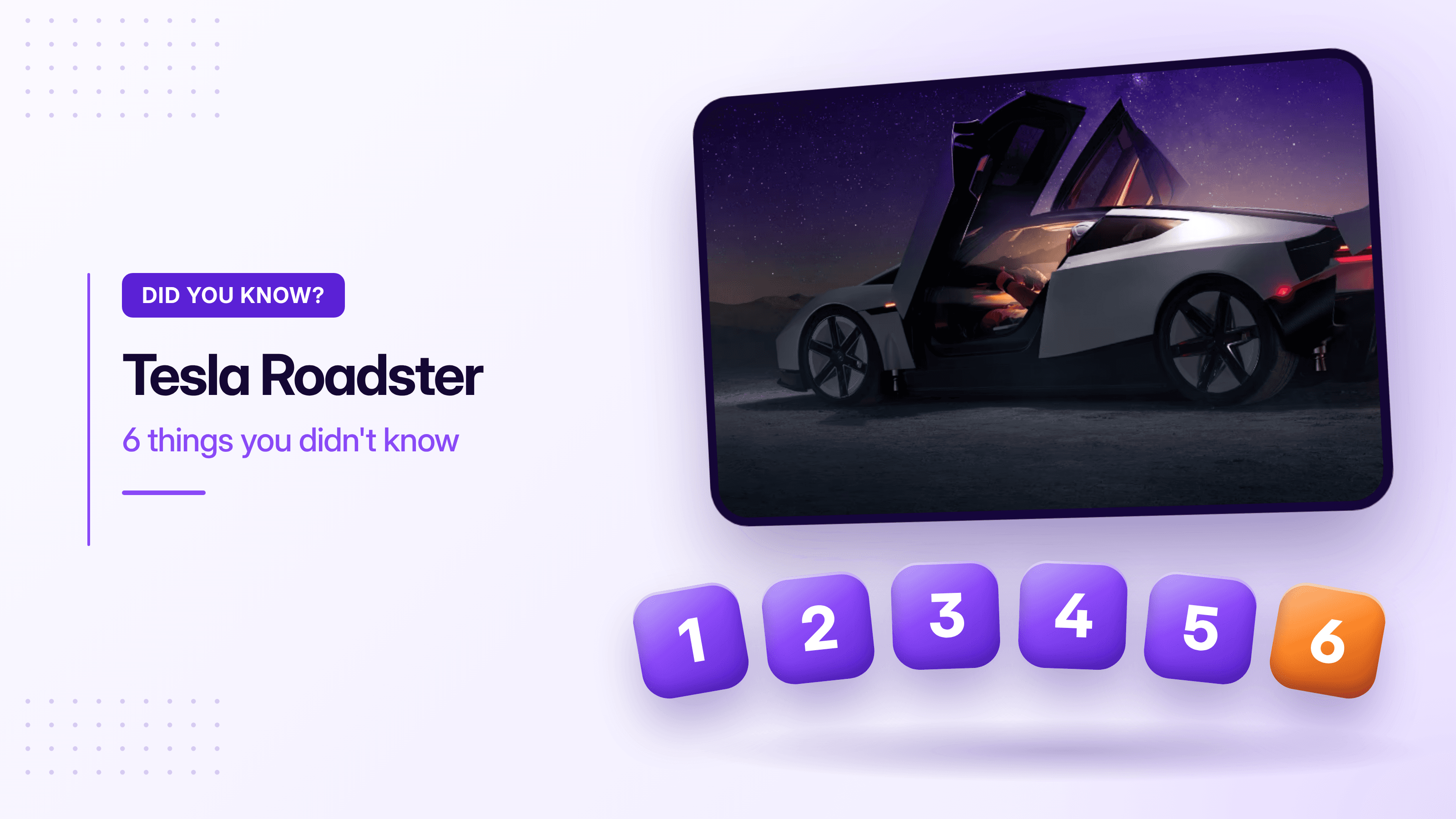
After years of delays and promises, Tesla has finally shown the world its second-generation Roadster, and it did something no one expected from a production car: it left the ground. At a livestreamed event at a SpaceX test site near Waco, Texas, on 15 October 2026, the car raced up a curling ramp, hung upside down, launched off the end, flipped in mid-air and landed back on its wheels.
“Turns out the future does have flying cars,” Elon Musk said on stage. Here's everything we know so far.
What happened at the reveal
The event was originally planned for 1 October but was pushed back because of the weather. When it finally happened, Tesla ran two headline demonstrations.
• The upside-down ramp: the Roadster accelerated up a ramp that curled over until the car was fully inverted, held on by suction, then fired its thrusters to launch off, roll 180 degrees and land.
• The jump: the car used its thrusters to hop over a lineup of Tesla vehicles, including a Cybertruck, a Semi and the Cybercab, while moving.
It was spectacular television, and it was clearly designed to be. But the more useful story is in the engineering and the fine print.
The specs Tesla is claiming
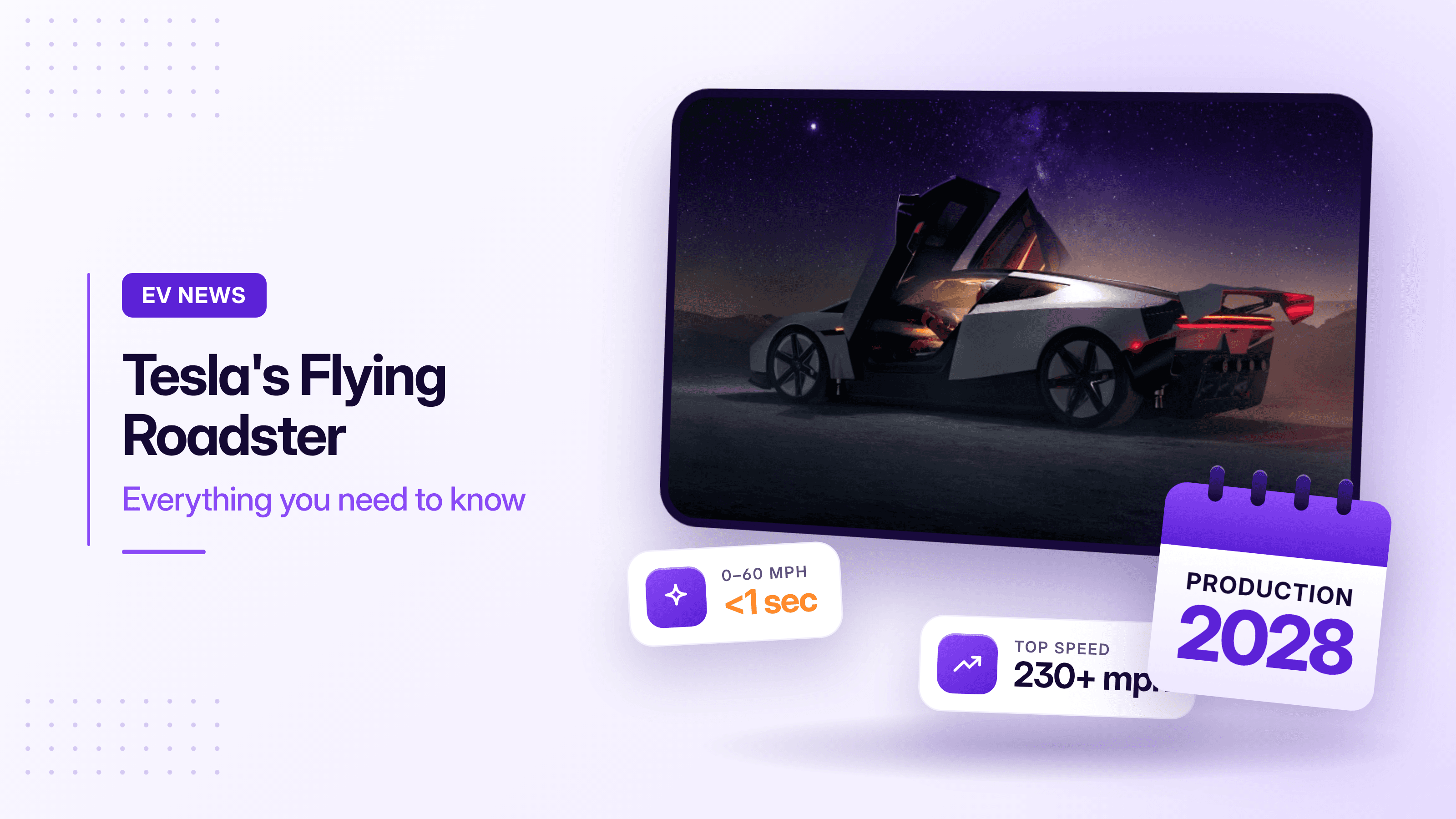
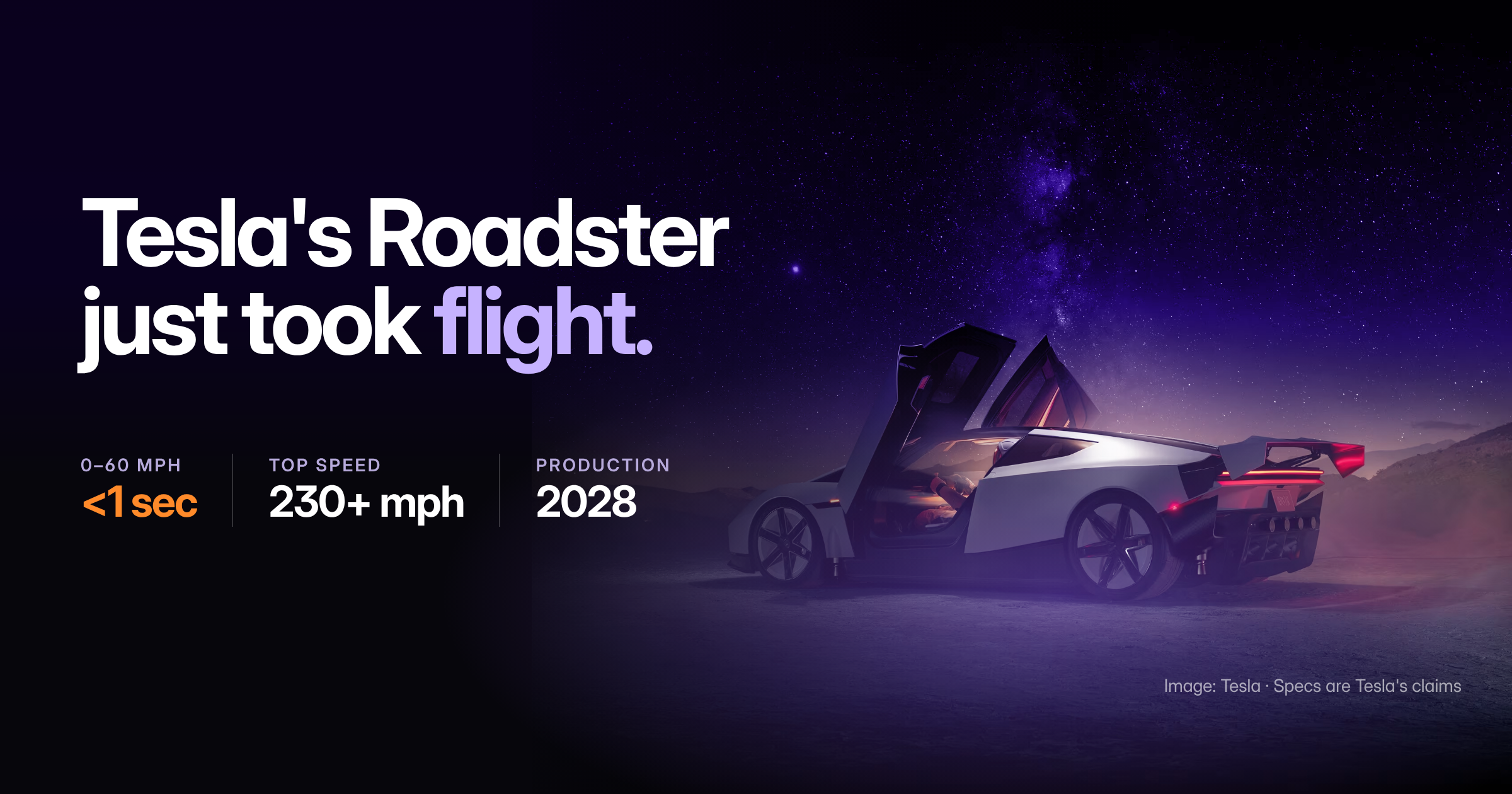
• 0–60 mph in under one second. A timed run at the event reportedly came in at 0.81 seconds.
• Top speed of more than 230 mph.
• 300 miles of range across all versions, according to TechCrunch.
• Steer-by-wire and brake-by-wire controls, according to Hagerty.
These are Tesla's own figures. None of them have been independently tested yet, and production cars often differ from what is shown at a launch event.
How a car “flies”: the SpaceX connection
The Roadster was developed with engineers from SpaceX, Musk's rocket company, and that partnership is what makes the stunts possible. Instead of burning rocket fuel, the car uses cold-gas thrusters fed by compressed air stored in high-pressure tanks. TechCrunch reports the system holds around 600 litres of compressed air that can be recharged, with carbon-fibre pressure vessels packed into every usable space in the car.
Tesla says the thrusters can produce four to five times the force the tyres can, which matters because grip is normally the hard limit on how fast any car can accelerate or corner. To drive upside down, a fan-based suction system pulls the car onto the surface until the thrusters take over.
Analyst Dan Ives told CBS News that the propulsion, pressure-vessel and control hardware were developed at SpaceX and placed into a Tesla product, a level of crossover between Musk's companies we haven't seen before.
Three versions, three very different cars
• Performance: the “road ready” two-seater with active aerodynamics.
• Thrust: adds acceleration thrusters for even quicker launches.
• Rocket: an invite-only, single-seat version with a full flight system.
Reports on reservation amounts differ between outlets, so we'll update this article once Tesla's figures are confirmed.
Price and release date
Tesla didn't announce a price. When the first Roadster prototype was shown in 2017, Tesla quoted $200,000 for the base car. Production is now planned to start in 2028.
That timeline deserves some caution. In 2017, Tesla said deliveries would begin in 2020. Even Musk was careful this time, saying the car's success “is not guaranteed” but that it “will probably work.”
The big unanswered question: is it legal?
Nobody seems sure who would regulate a car that can leave the ground. The Federal Aviation Administration told CBS News the Roadster doesn't meet its definition of an aircraft. Tesla's own website says the planned flying model isn't approved for public roads. Road safety regulators in the US normally rely on carmakers to certify their own vehicles, and it isn't clear how that would apply to a car with thrusters.
Why Tesla built it
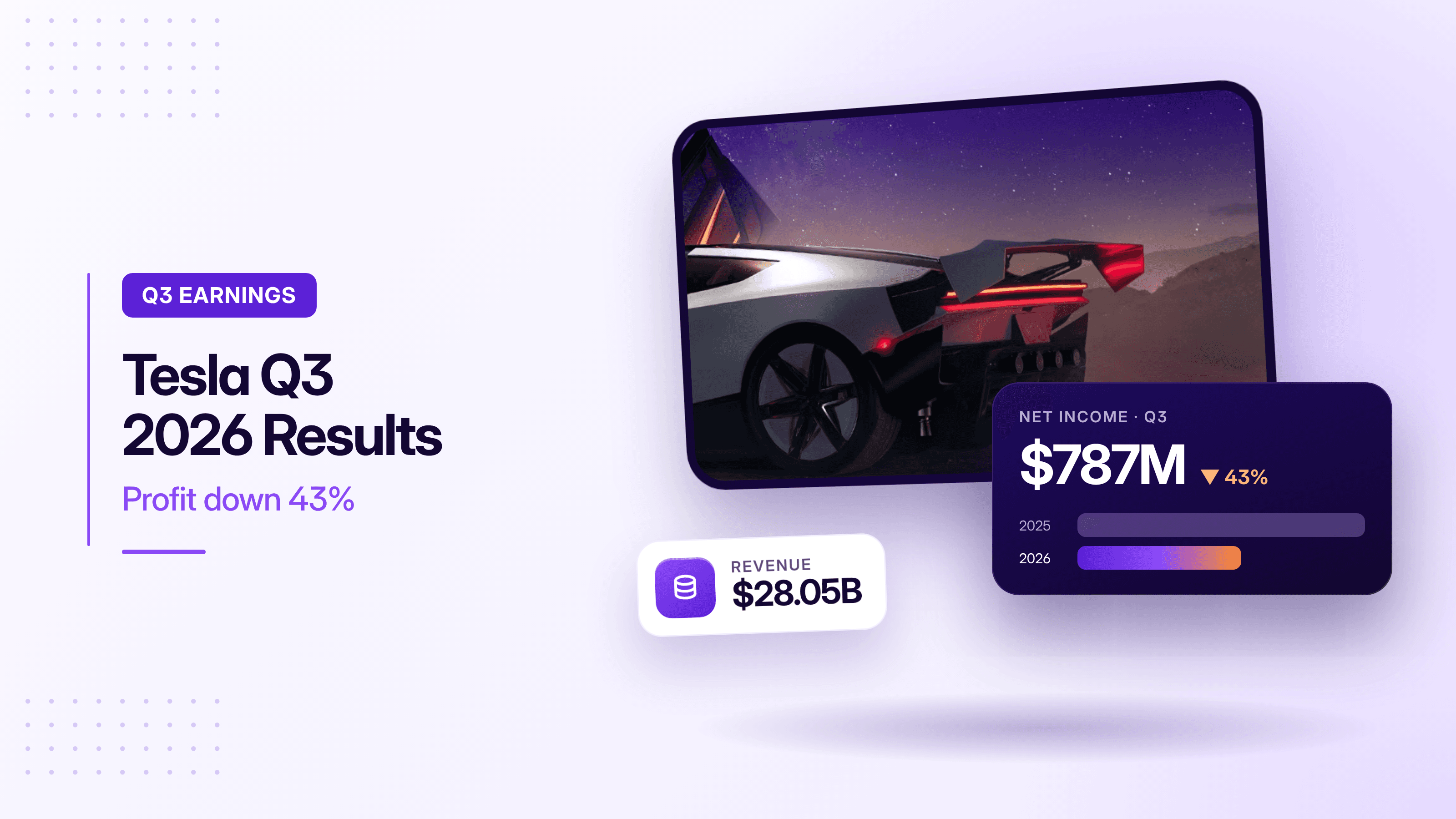
Don't expect the Roadster to change Tesla's finances. Analysts expect production to be limited and the revenue to be small compared with Tesla's mainstream cars. Its real job is attention. The reveal came a week before Tesla's third-quarter earnings, and it put the company's engineering ambition, and its SpaceX ties, back at the centre of the conversation at a time when profit was falling.
It also continues a very old dream. The first flying car prototype was built by Glenn Curtiss in 1917. More than a century later, Tesla has made the most public attempt yet to make the idea feel real.
The bottom line
The new Roadster is the most dramatic car launch in years, and a genuine showcase of what happens when a car company borrows rocket technology. But it's still a prototype with unconfirmed specs, no price, an unclear legal status and a 2028 launch date from a company that has missed Roadster deadlines before. Enjoy the show, and wait for the road test.
Want the details the livestream skipped? Read our follow-up: Tesla Roadster 2026: 6 Things You Didn't Know About It.
Newsletter
Enjoying this article?
Get the best African tech stories delivered weekly. No spam.

Written by
Theophilus AmankwahI've always wanted to be part of Technology, the options were either I watch it happen or be part of it and so I couldn't settle for less!
What did you think of this article?