

- What exactly is being built?
- Why computing power matters for AI
- A first step, not the finish line
- Part of a bigger message
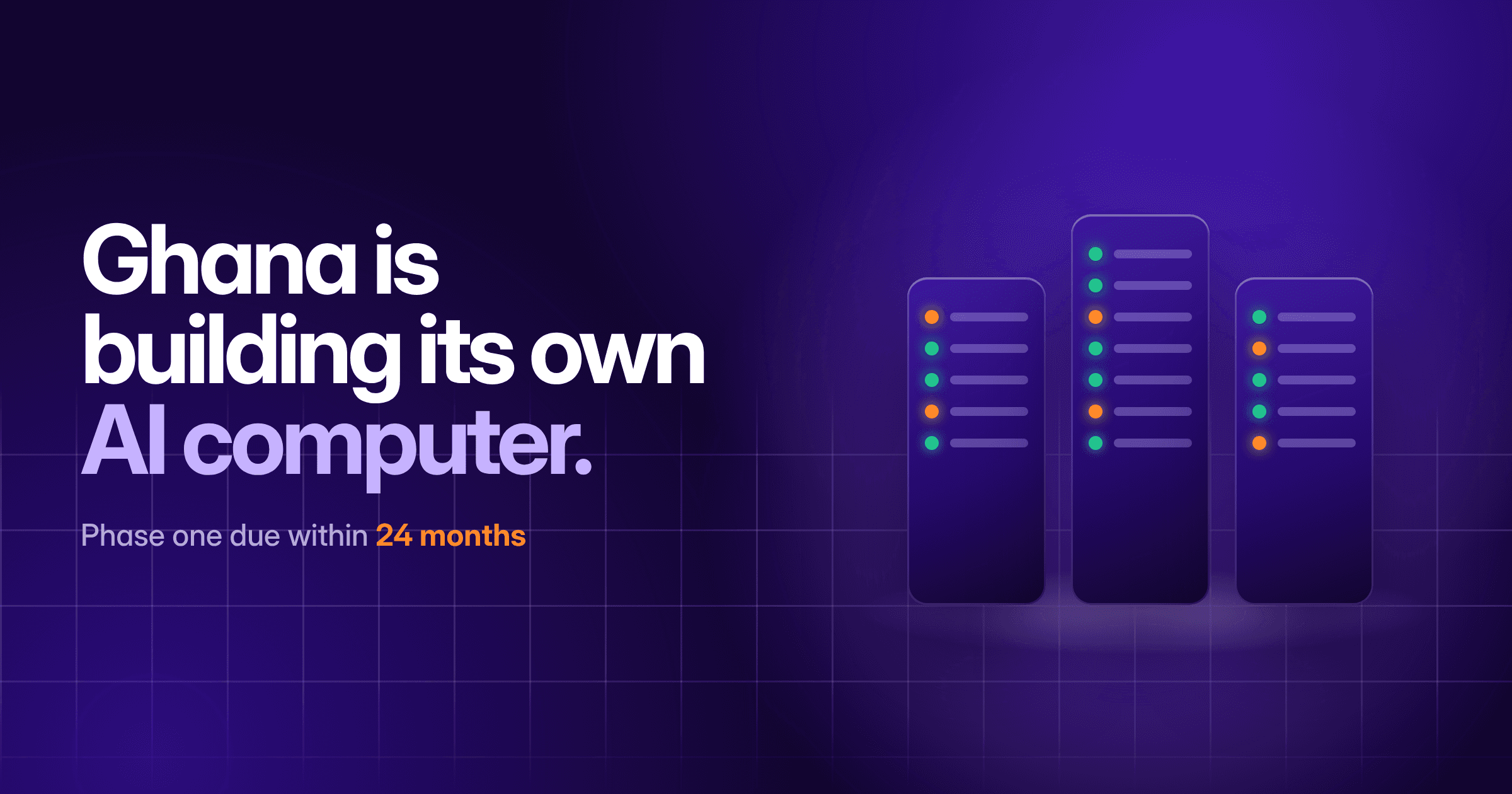
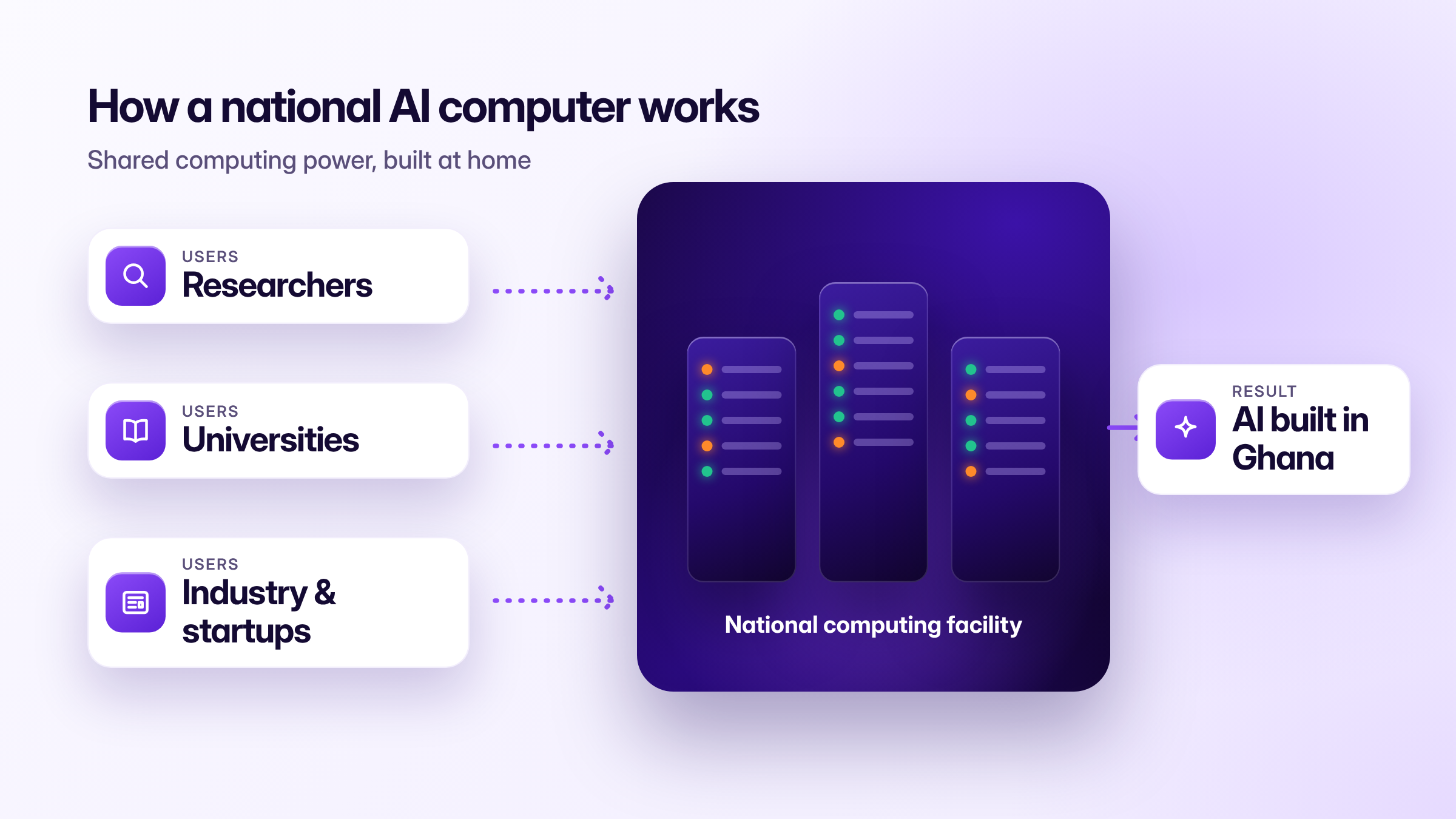
Ghana is taking a step toward building its own artificial intelligence infrastructure. Samuel Nartey George, the Minister for Communication, Digital Technology and Innovations, says the government is developing a national computing facility that will give researchers, universities and industry the computing capacity they need to build AI, with the first phase targeted for completion within 24 months.
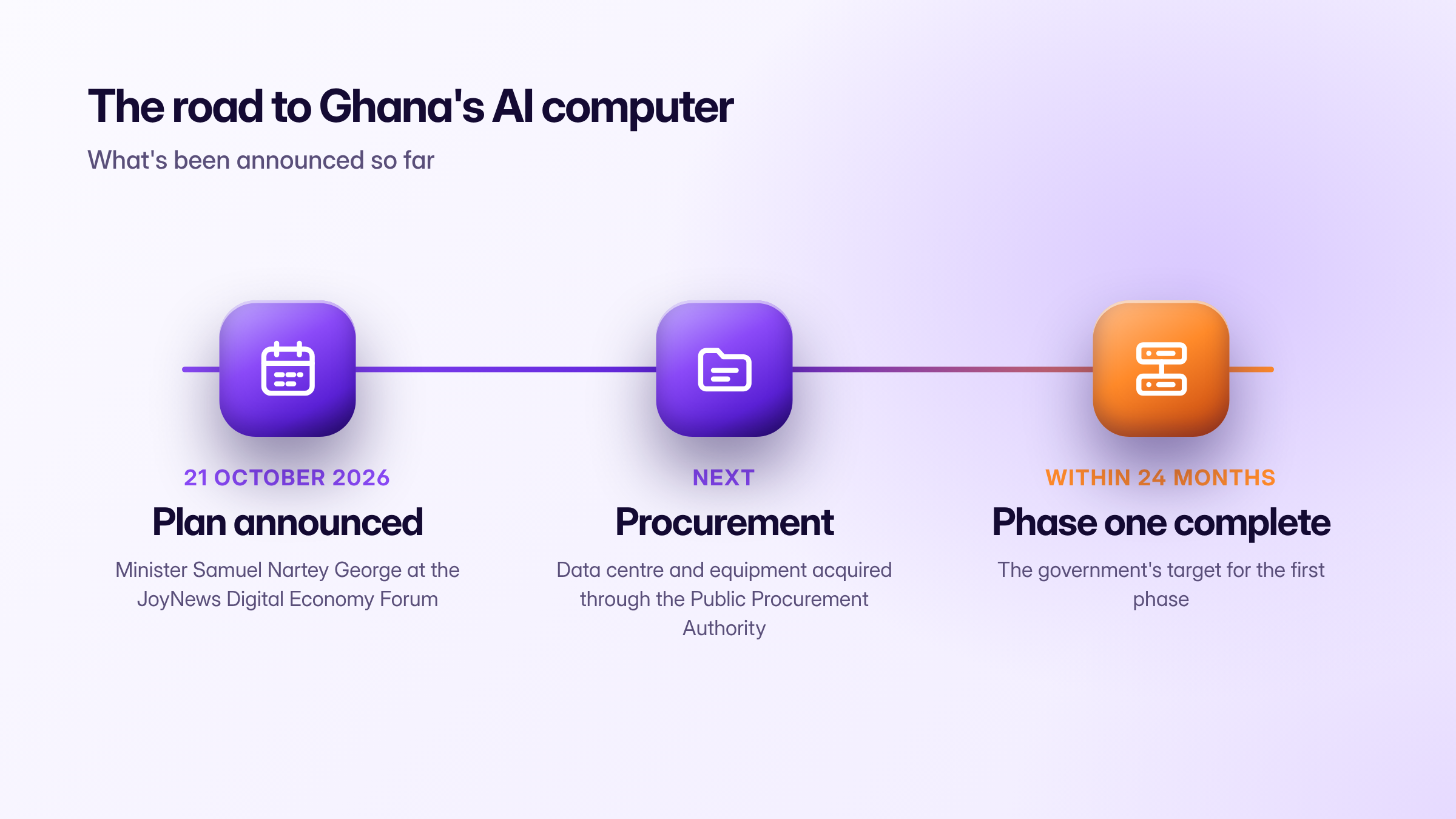
He made the announcement at the JoyNews Digital Economy Forum on AI and the Ghana Economy on 21 October 2026. “24 months from now, we should have phase one completed,” he said.
What exactly is being built?
The plan is for a national computing facility: the powerful computers and data centre infrastructure needed to develop and run AI systems. According to the minister, the government is working through the Public Procurement Authority to acquire the data centre, computing infrastructure and related equipment.
The location, cost and size of the facility have not been announced yet.
Why computing power matters for AI
Building modern AI takes enormous computing power. Training and running AI models typically relies on specialised processors housed in large data centres. For many developers and researchers in Africa, that means paying for computing services from providers abroad, which can be expensive and leaves local innovation dependent on infrastructure controlled elsewhere.
That's the problem the government says it wants to address. The stated goal is to reduce Ghana's reliance on computing services bought from providers outside the country, so that universities, researchers and businesses can do more AI work locally.
A first step, not the finish line
The minister was candid about the limits of the plan. He described the facility as an important first step and an initial milestone, and warned that Ghana's broader AI needs will not all be met during the remaining term of the current administration.
Part of a bigger message
The announcement fits a theme the minister has been pushing. Speaking at Digital Economy Live 2026 in Accra the same week, he urged African countries to develop and govern their own digital technologies rather than relying on solutions designed outside the continent, including technology that reflects African languages, cultures and priorities.
He pointed to Ghana's mobile money interoperability system and national digital identity system as examples of the country's progress, and presented Ghana as a growing hub for technology companies, research centres and investors.
What to watch next
• Where the facility will be located and how much it will cost.
• Who will be able to use it, and on what terms: universities, startups, government agencies or all three.
• Which partners and suppliers are selected through the procurement process.
• Whether the 24-month timeline for phase one holds.
The bottom line
If it is delivered, a national computing facility could give Ghanaian researchers and startups something they have long lacked: affordable access to serious AI computing power at home. The details still matter, from cost to access, but the direction is clear. Ghana wants to build AI, not just use it.
Newsletter
Enjoying this article?
Get the best African tech stories delivered weekly. No spam.

Written by
Theophilus AmankwahI've always wanted to be part of Technology, the options were either I watch it happen or be part of it and so I couldn't settle for less!
What did you think of this article?