
Anthropic Launches Claude Ship: AI Can Now Review, Fix and Approve Code
Anthropic has introduced Claude Ship, an AI-powered system that can review GitHub pull requests, fix coding issues and approve eligible changes based on team policies. Here's how the new system works and what it means for software developers.

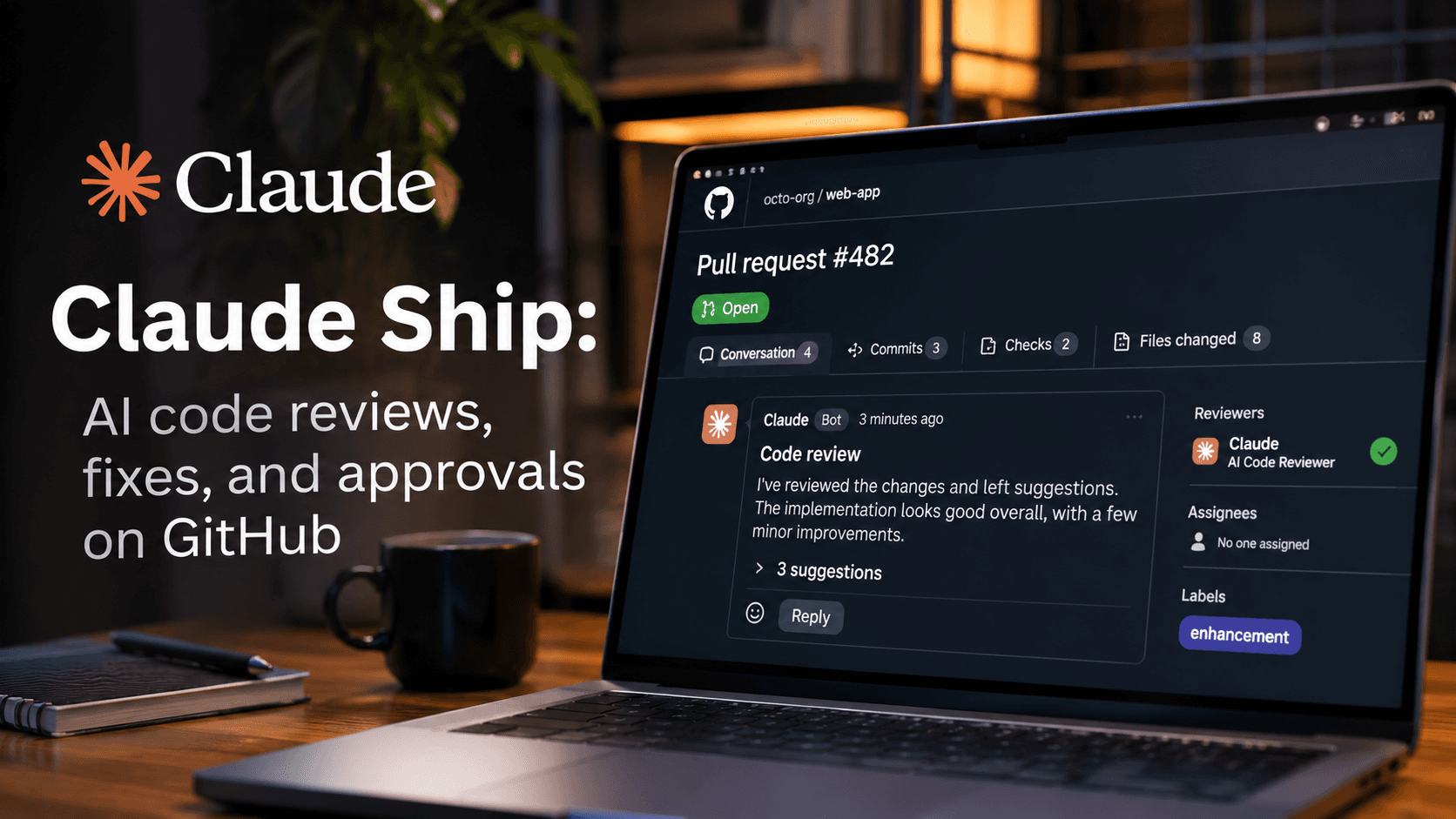
Anthropic is taking another major step towards automating software development with the introduction of Claude Ship, a new AI-powered system designed to review pull requests, fix coding issues and approve changes based on predefined team policies.
Announced on November 23, 2026, Claude Ship expands the role of AI in software engineering beyond writing code. Instead of simply generating code and leaving developers to handle the review process, the new system is designed to help manage several important stages between completing a coding task and getting it ready to merge.
The announcement highlights Anthropic's growing ambition to make AI agents useful throughout the entire software development lifecycle.
What Is Claude Ship?
Claude Ship is a new system from Anthropic that helps development teams manage the pull request process on GitHub.
A pull request (PR) is a feature used by developers to propose changes to a software project's codebase. Before those changes become part of the main project, they are usually reviewed, tested and approved.
This process is important because poorly reviewed code can introduce bugs, security vulnerabilities and other problems.
Traditionally, developers must wait for reviews, respond to feedback, correct issues and request approval before their changes can be merged.
Claude Ship aims to reduce the manual work involved in these steps.
It combines three capabilities: Code Review, PR Steward and Claude Approvals.
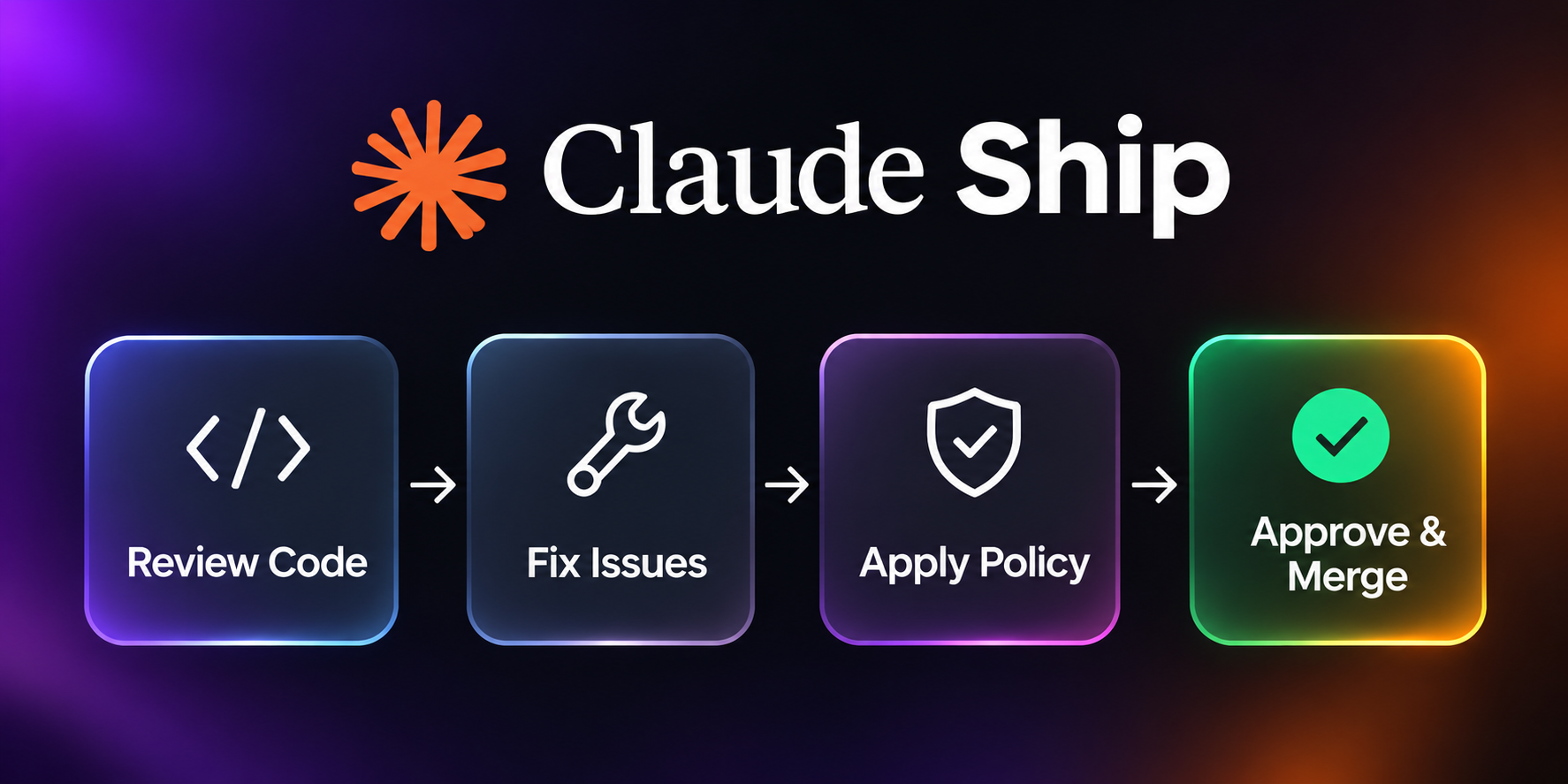
1. Code Review: AI That Examines Your Code
The first component is Claude Code Review, which examines pull requests against the wider codebase.
Rather than simply checking whether code looks correct, the system analyses proposed changes through multiple review perspectives, verifies potential findings and categorises issues before posting its feedback directly to the pull request.
Teams can choose between three review levels:
Quick: For faster reviews.
Standard: For a balanced review.
Deep: For more extensive examination.
Code Review is already generally available.
Anthropic says that, on its own Claude Code team, merged pull requests more than doubled between June and September, while the proportion of reverted changes fell by more than 40%.
These figures relate to Anthropic's internal workflow and should not be interpreted as a guaranteed result for every development team.
2. PR Steward: AI That Helps Fix Coding Problems
The second component, PR Steward, is designed to keep pull requests moving towards completion.
It can respond to situations such as:
Failed continuous integration checks.
Merge conflicts.
Feedback from code reviewers.
Issues identified by Claude Code Review and other review tools.
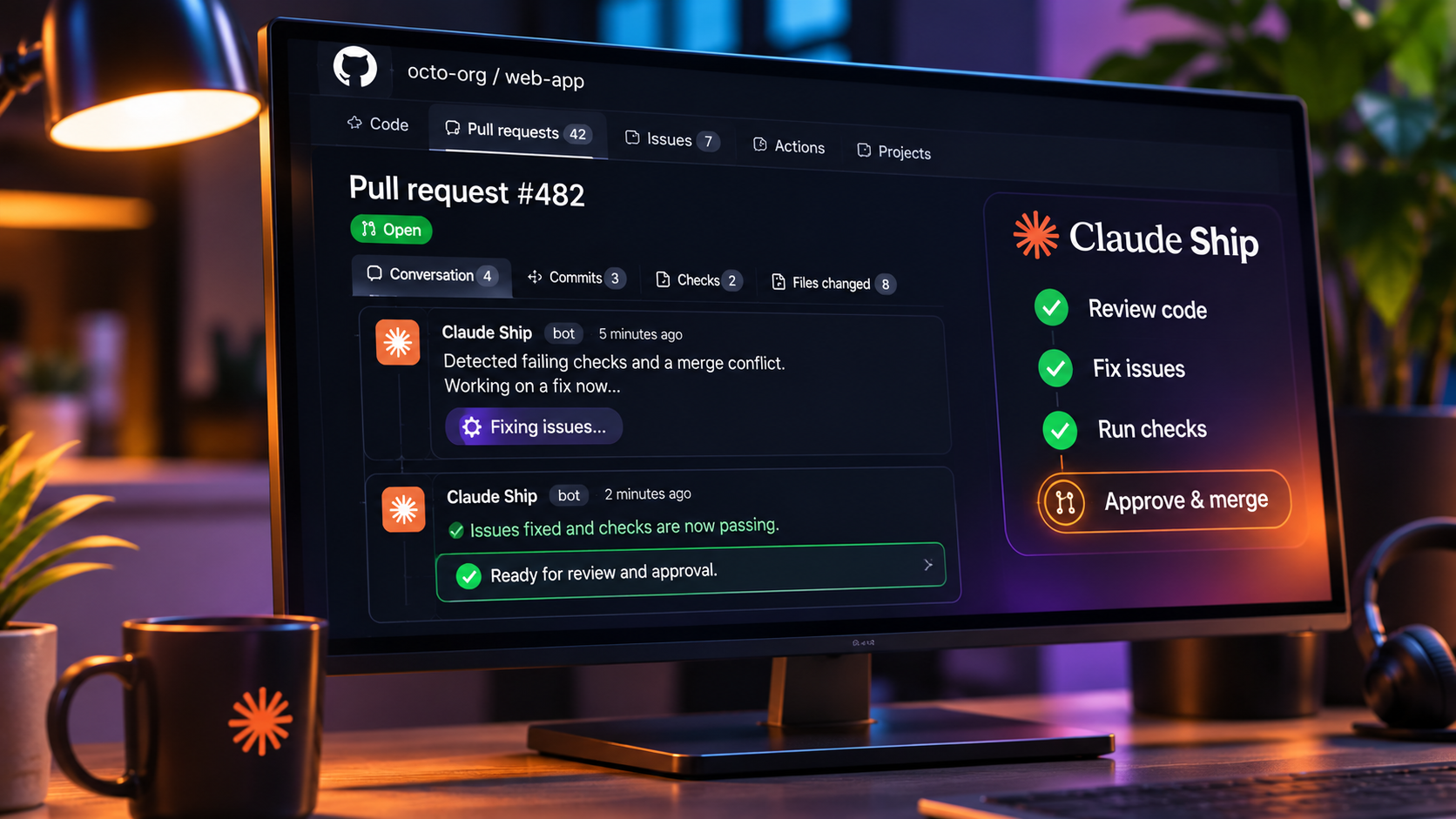
When a problem occurs, PR Steward can work on the necessary fixes and explain what it changed.
It also provides developers with a way to guide or stop its work through GitHub comments.
For example, developers can mention @claude to give it instructions or use @claude stop to tell it to step back.
Importantly, PR Steward is designed to fix issues rather than independently approve or merge pull requests.
3. Claude Approvals: AI That Can Approve Eligible Changes
Perhaps the most interesting part of Claude Ship is Claude Approvals.
This component evaluates pull requests against approval policies defined by the development team.
These policies are stored in a file within the repository and determine which changes can receive automated approval and which require human review.
For example, a team could permit automated approval for routine documentation changes while requiring a human engineer to approve modifications involving authentication, payments or sensitive application logic.
This gives development teams more control over how much responsibility they delegate to AI.
Anthropic recommends that most customers begin with observe-only mode before using Claude Approvals as a required branch-protection check.
This allows teams to evaluate its decisions before giving it greater authority.
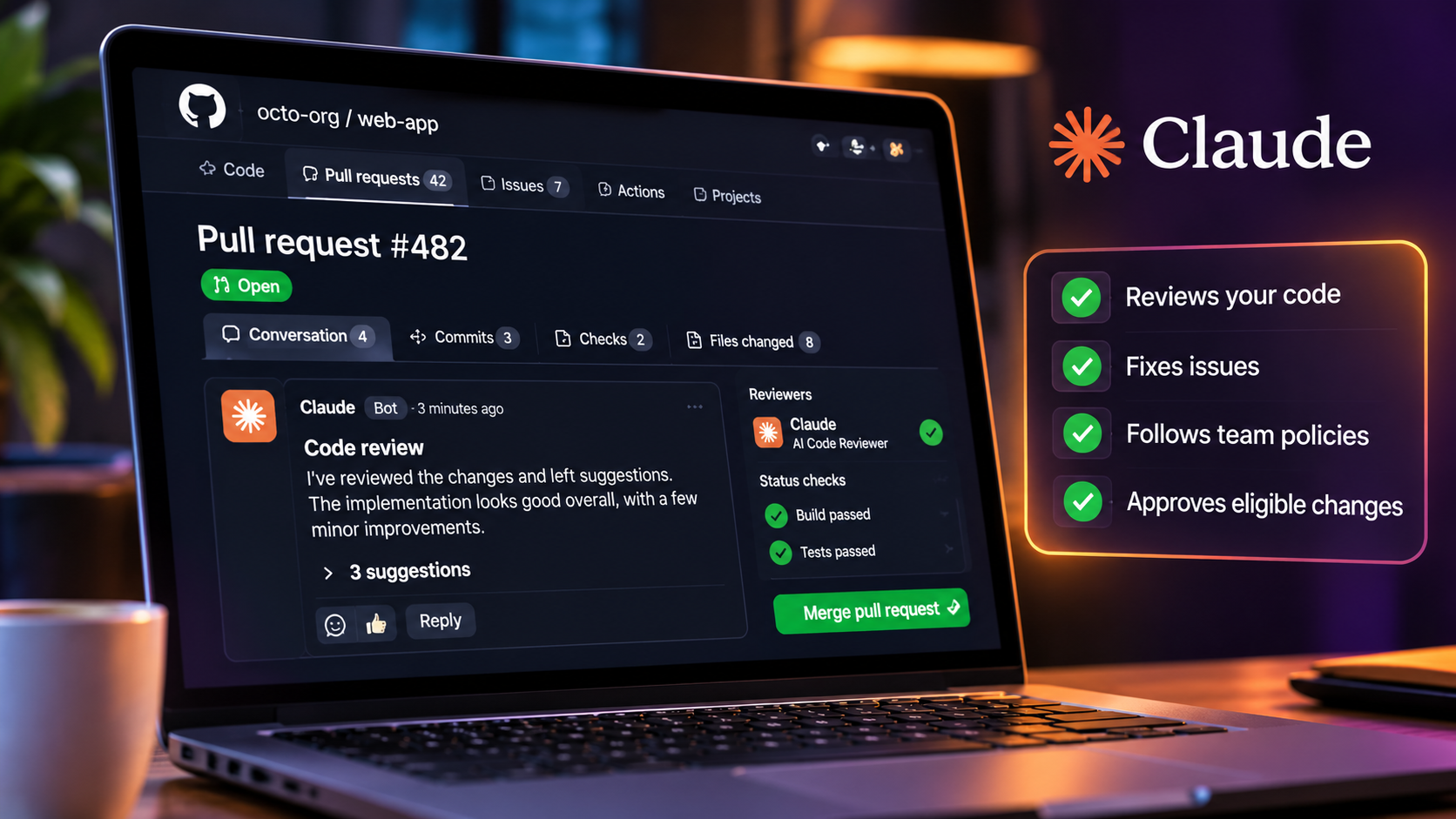
How Developers Can Start Using Claude Ship
Anthropic provides two main ways to get started.
For individual developers:
Developers can update Claude Code and use the new /ship command on a coding change.
Claude can then push the changes, open a pull request, review the code, address feedback and help resolve failing checks.
For engineering teams:
Administrators can enable Code Review and PR Steward for individual GitHub repositories.
They can configure review levels, decide when reviews should run, establish spending limits and introduce approval policies.
The system is designed to work with existing GitHub branch protection and required checks.
Who Can Access Claude Ship?
Claude Ship is rolling out to organisations using Claude Team and Claude Enterprise plans with GitHub repositories.
Code Review is generally available, while PR Steward and Claude Approvals are currently in beta.
The service uses token-based billing, meaning organisations should consider usage costs before enabling it across large repositories.
Anthropic also notes that Claude Ship is not available to organisations using certain configurations, including Zero Data Retention, HIPAA configurations and customer-managed encryption keys.
What Does This Mean for Software Developers?
Claude Ship reflects a broader change in how software development is evolving.
AI coding tools have already made it easier to generate functions, build interfaces, debug applications and create entire software projects.
However, writing code is only one part of software engineering.
Code must still be tested, reviewed, maintained and approved before it becomes part of a production application.
By targeting these additional stages, Anthropic is attempting to reduce the time developers spend coordinating repetitive engineering tasks.
This could allow software engineers to spend more time on architecture, system design, security decisions and complex technical problems.
However, automated code review should not be confused with guaranteed software security. Anthropic itself warns that Claude Ship may miss bugs, security vulnerabilities and other issues.
Human oversight remains essential, particularly for applications involving financial transactions, personal information and critical infrastructure.
The Bigger Picture
The introduction of Claude Ship signals that the competition in AI development tools is moving beyond which model can write the best code.
Companies are increasingly competing to build AI systems that can complete entire workflows, interact with existing developer tools and operate within organisational rules.
For Anthropic, Claude Ship is another step towards making Claude a more integrated engineering assistant.
For developers, the important question is no longer simply whether AI can write code.
It is how much of the software development process can safely be delegated to AI.
Would you trust an AI system to review and approve your code? Or should every pull request always require a human developer? Share your thoughts.
Published by AmassTechHub | TechPulse
Theophilus Amankwah
I've always wanted to be part of Technology, the options were either I watch it happen or be part of it and so I couldn't settle for less!
More from Theophilus →Spotted an error? Report a correction · Our editorial standards
What did you think of this article?
Comments (0)